How Offline Planning Sessions Improve Travel Experiences
In today's fast-paced digital world, the idea of offline planning sessions might seem outdated. However, for boutique travel agencies focusing on experiential European travel, these sessions can significantly enhance the travel experience. By understanding the nuances of offline planning, travelers can maximize their journey and create memorable experiences.
Understanding the Basics
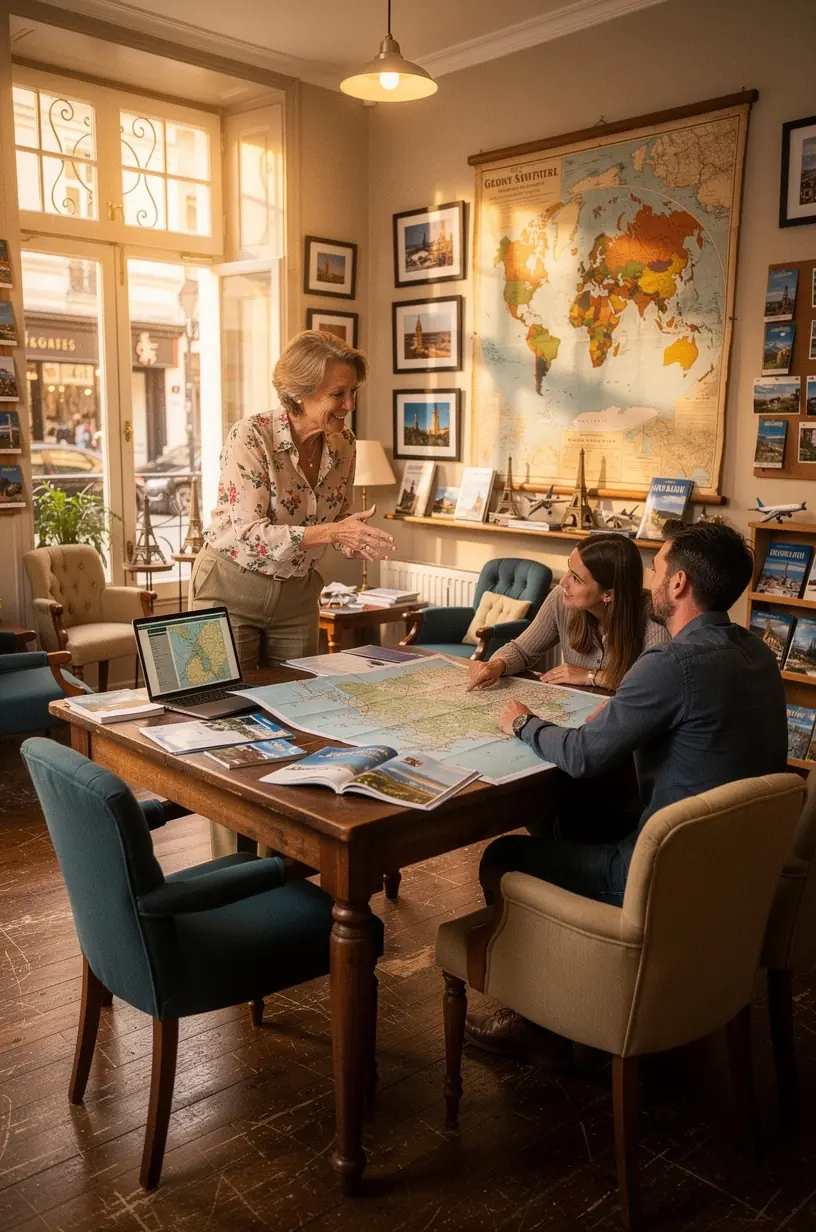
Offline planning sessions involve face-to-face discussions with travel advisors, where clients can explore their preferences, desires, and expectations in a personal setting. According to industry experts, this method fosters a deeper understanding between the travel planner and the client, often resulting in customized itineraries that reflect individual tastes.

"Personalized travel planning allows for a more nuanced understanding of client preferences, ultimately leading to a richer travel experience."
The Importance of Personal Interaction
Research indicates that personal interaction in service industries can enhance customer satisfaction and loyalty. In the context of travel planning, offline sessions can:
- Foster trust: Clients often feel more comfortable when they can express their thoughts directly to a knowledgeable advisor.
- Encourage detailed discussions: In-person meetings allow for spontaneous conversations that can uncover hidden preferences or concerns, which might not emerge in online communication.
- Facilitate better planning: Travel advisors can use visual aids and maps to provide a clearer picture of options, making it easier for clients to make informed decisions.
How Offline Sessions Enhance Travel Planning
While online tools have their place, offline planning sessions deliver unique benefits:
- Tailored experiences: Travel advisors can create bespoke itineraries based on real-time feedback and discussions, ensuring that the travel experience aligns closely with the client's vision.
- Addressing complexities: European travel often involves navigating diverse cultures, languages, and logistics. An offline session allows for a thorough exploration of these complexities, ensuring travelers are well-prepared.
- Building relationships: Establishing a rapport with a travel advisor can enhance the overall experience, as clients feel more supported throughout their journey, even after the planning phase.
Acknowledging Limitations
It’s important to note that offline planning sessions require a commitment. Typically, these sessions can take anywhere from one to three hours, depending on the complexity of the trip. Clients should be prepared to invest time in these meetings to get the most out of the experience.
Moreover, while offline planning can enhance the travel experience, it may not be suitable for all travelers—especially those who prefer the speed and convenience of online booking. Understanding one's own preferences is crucial.
Conclusion
In conclusion, offline planning sessions can significantly improve the travel experience by fostering personal connections, facilitating detailed discussions, and addressing the unique complexities of European travel. While this approach requires a time commitment, the personalized insights gained can lead to more enriching travel experiences. For those seeking a tailored journey, engaging with a boutique travel agency that prioritizes offline planning may be a worthwhile consideration.
Learn More