Understanding the Role of Boutique Travel Agencies
As the travel landscape evolves, boutique travel agencies are becoming increasingly popular among travelers seeking personalized experiences. This article explores the function of these agencies, particularly in the context of planning experiential travel in Europe, and highlights their importance in curating unique adventures.
What is a Boutique Travel Agency?
Boutique travel agencies typically focus on providing tailored travel experiences rather than conventional package tours. According to travel experts, these agencies prioritize understanding individual client preferences and offer insights that larger firms may overlook. They often specialize in niche markets, such as experiential travel, which emphasizes immersive cultural encounters and personalized itineraries.

Why Choose a Boutique Travel Agency?
There are several reasons travelers opt for boutique agencies:
- Personalized Service: Boutique agencies often provide one-on-one consultations, allowing travelers to discuss their needs directly with a dedicated travel advisor.
- Expert Knowledge: Many boutique agencies have in-depth knowledge of specific destinations, enabling them to recommend experiences that align with the travelers' interests.
- Curated Experiences: Research indicates that travelers are increasingly interested in unique experiences rather than standard sightseeing tours. Boutique agencies specialize in crafting itineraries that reflect this desire.
"Travelers who engage with boutique agencies often report significantly higher satisfaction levels due to the bespoke nature of their trips." - Travel Industry Research
The Process of Working with a Boutique Travel Agency
Typically, working with a boutique travel agency involves several key steps:
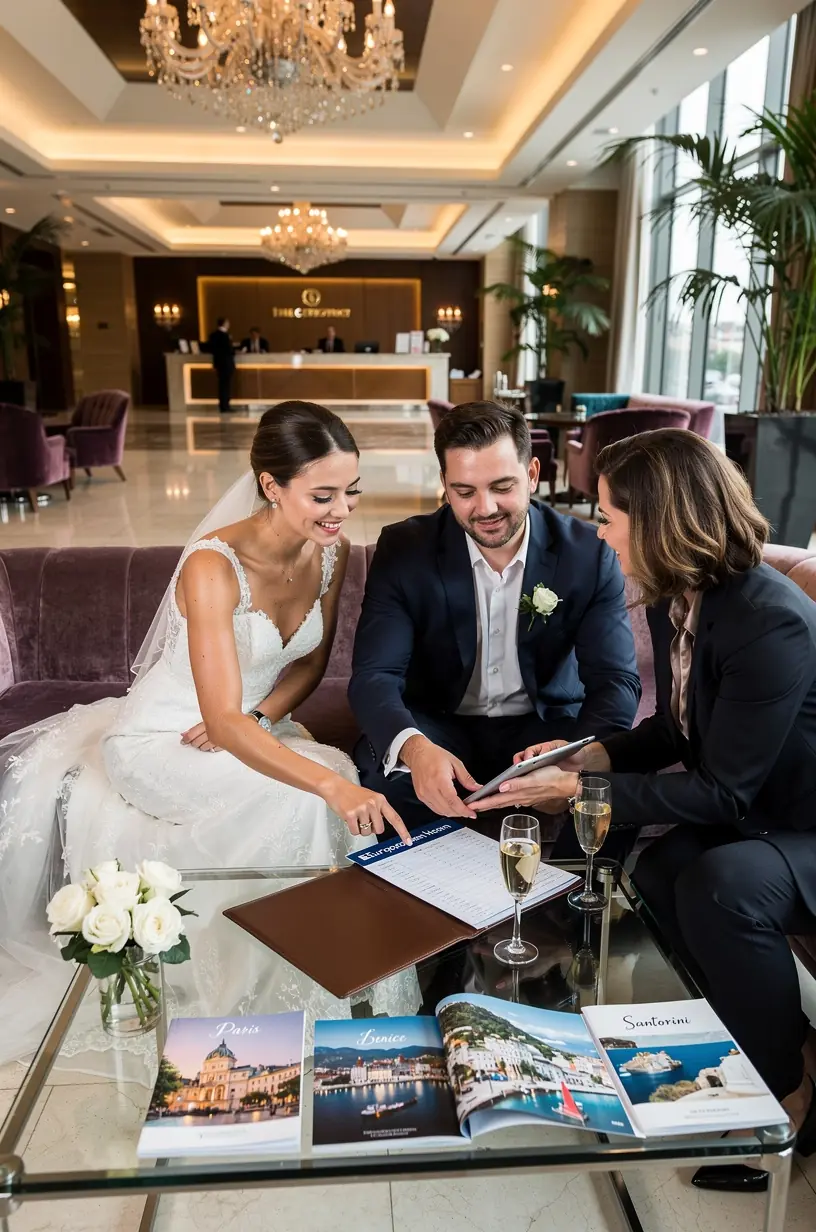
- Initial Consultation: In-person or virtual meetings are organized to discuss travel preferences, budget, and interests.
- Itinerary Development: Travel planners create a customized travel plan that includes accommodations, activities, and transportation options based on client feedback.
- Final Adjustments: Clients review the itinerary, suggest changes, and finalize details to ensure it meets their expectations.
- On-Trip Support: Many boutique agencies offer support during the trip, helping to address any issues that may arise and ensuring a seamless experience.
This process typically takes 2-4 weeks, allowing the agency to gather information and curate the best options for the traveler. However, results can vary based on individual preferences and destinations.
Limitations and Considerations
While boutique travel agencies offer numerous benefits, there are some factors to consider:
- Boutique agencies may have higher fees compared to larger, more generic companies. However, many travelers find that the enhanced experience justifies the cost.
- Customization can take time; travelers need to be patient and willing to invest time into the planning process.
- These agencies may not offer extensive last-minute booking options due to the personalized nature of their services.
Conclusion
Boutique travel agencies play a crucial role in the travel industry by providing individualized attention and curated experiences that meet the evolving needs of modern travelers. By understanding how these agencies operate, potential clients can make informed decisions about their travel planning, ensuring that their European adventures are as unique and enriching as they envision.
Ultimately, engaging with a boutique travel agency may be an effective approach for those seeking memorable and personalized travel experiences that align with their interests and preferences.