How Experiential Travel Enhances Cultural Immersion
Experiential travel is more than just a trend; it is a profound way to engage with different cultures. This approach enables travelers to step outside their comfort zones, fostering a deeper connection with their destinations. In this article, we will explore how experiential travel enhances cultural immersion and why it is significant for travelers, especially those planning trips to Europe.
Understanding Experiential Travel
Experiential travel refers to journeys that allow travelers to engage actively with local cultures and communities, often through hands-on activities. According to the Adventure Travel Trade Association, experiential travel is characterized by a focus on authentic experiences that connect travelers with the people and traditions of a destination.
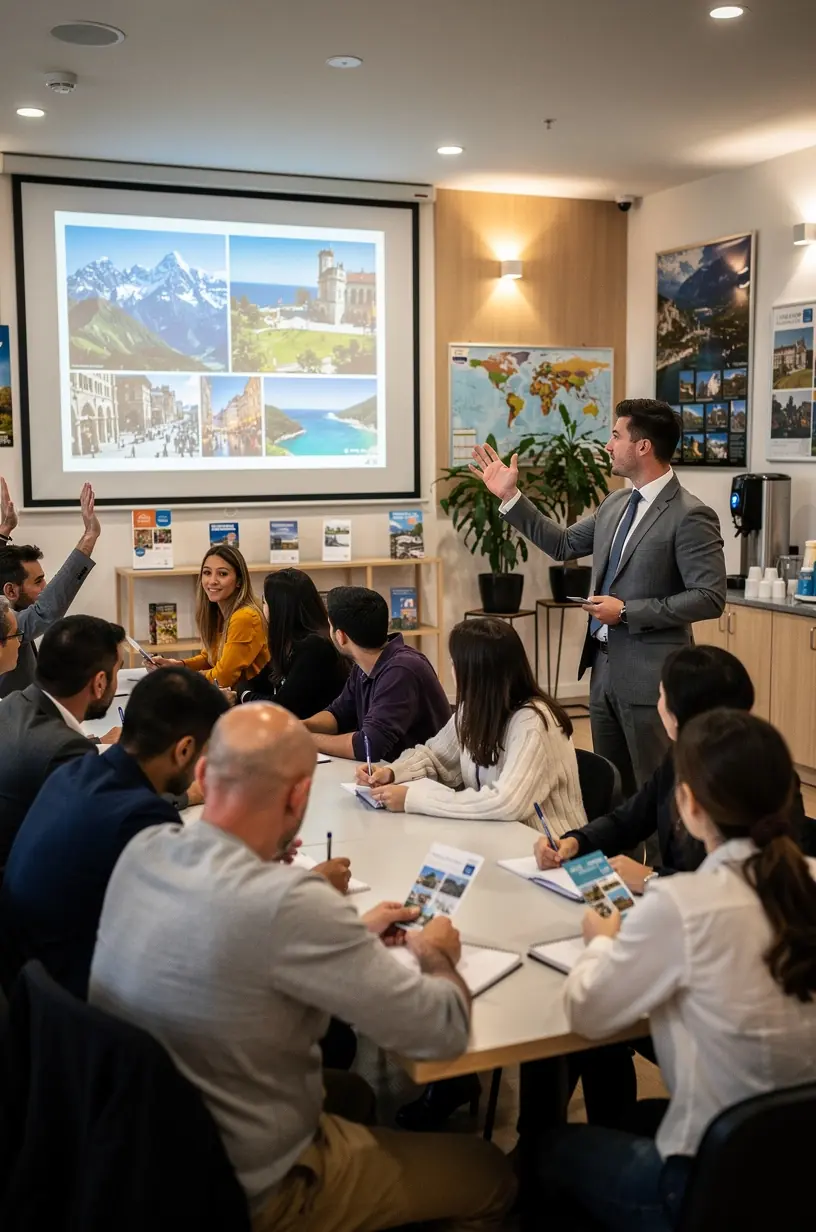
"Experiential travel often leads to a more enriching and memorable journey, allowing individuals to gain unique insights into the culture." - Travel Industry Expert
Benefits of Experiential Travel for Cultural Immersion
Engaging in experiential travel can lead to several benefits that enhance cultural immersion:
- Deepened Connections: Many users report that participating in local traditions, cooking classes, or cultural festivals often results in meaningful interactions with locals, creating lasting connections.
- Personal Growth: Experts recommend that stepping outside of familiar environments can foster personal development. Travelers typically find that facing new challenges can boost confidence and adaptability.
- Authentic Memories: Engaging in activities such as artisan workshops or guided local tours allows travelers to create authentic memories that go beyond standard sightseeing. Research indicates that memories formed through immersive experiences tend to be more vivid and impactful.
How to Plan Experiential Travel
Planning an experiential travel itinerary may require more time and effort than traditional travel planning. Here are some tips to consider:
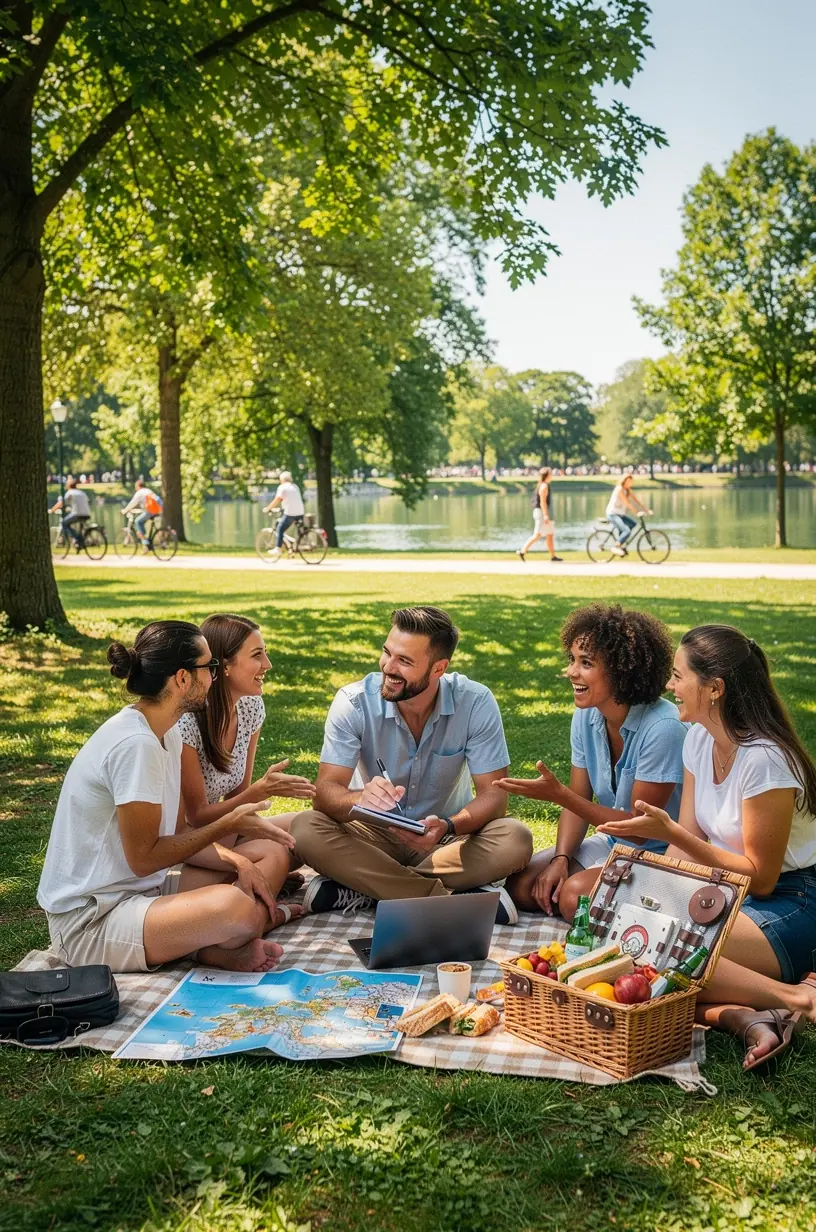
- Research Local Opportunities: Investigate local classes, tours, or workshops well ahead of your trip. Many popular activities can fill up quickly, so planning typically takes at least 2-4 weeks.
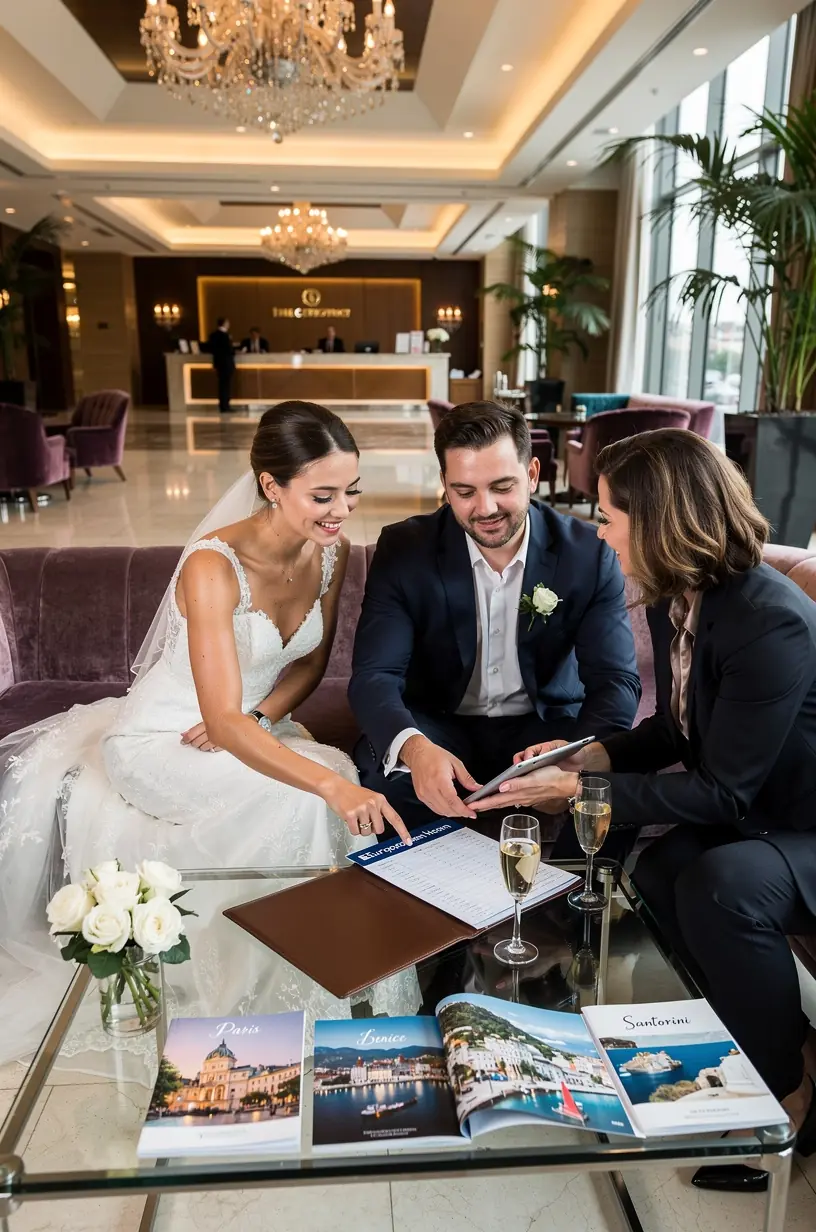
- Engage with Local Experts: Collaborating with a boutique travel agency that focuses on experiential travel can streamline your planning process. These agencies often have established connections with local guides and artisans, enhancing your experiences.
- Set Realistic Expectations: Understand that not every experience will go as planned. Being adaptable and open to unexpected events can lead to richer cultural encounters.
Acknowledge Limitations
While experiential travel offers numerous benefits, it’s important to recognize that it may not be suitable for everyone. Individuals with mobility challenges or those seeking purely leisure-oriented experiences might find that traditional travel methods work better for them. Additionally, immersive experiences often require a willingness to engage with locals, which may involve language barriers or cultural misunderstandings.
Conclusion
In summary, experiential travel can significantly enhance cultural immersion by fostering deep connections and authentic memories. While it typically requires more planning and adaptability, the rewards of engaging with diverse cultures are often worth the effort. By prioritizing educational experiences and maintaining realistic expectations, travelers can enrich their journeys and gain valuable insights into the world around them.